Here’s a helpful stupid bullshit generator. If you hear a phrase that could be generated by this, you want nothing to do with it:
Generic sentence structure: “You know what would be fun? A B !” “We never go to A B anymore” “You never want to see the A B anymore” “Everyone is saying (the) A B is fun”
The boy gets it. No fun.
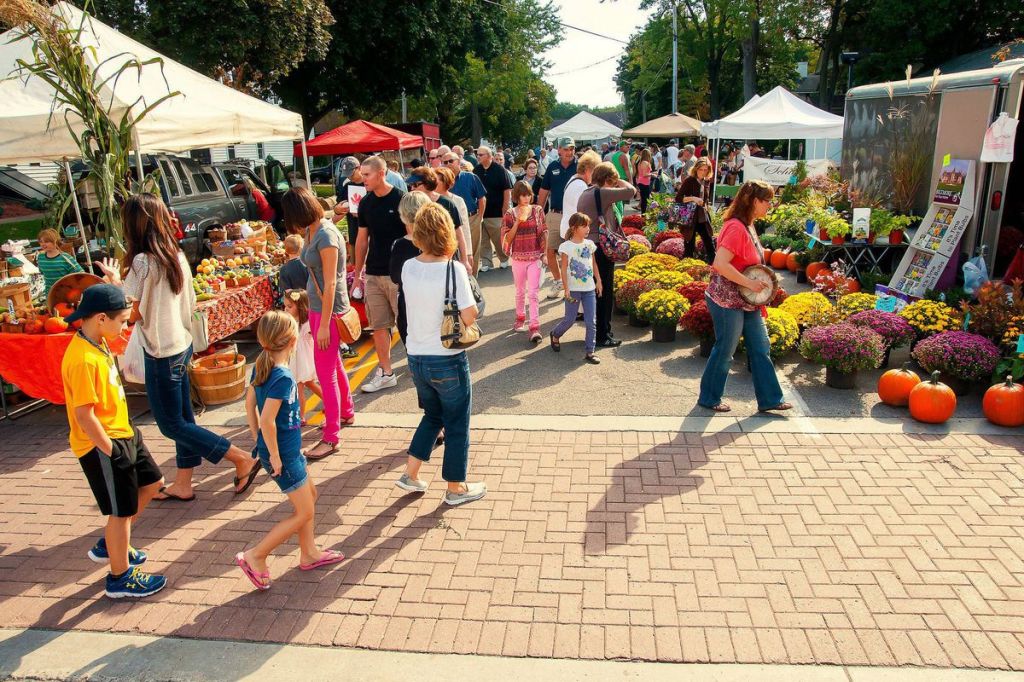
Column A: pumpkin apple foliage farm corn paint country cider leaf Salem ghost lantern hay craft harvest waterfront linen art(s)
Column B: picking watch night brunch harvest fair decorating fest(ival) party trail tour picnic community event ride celebration exhibition stroll maze train auction 5K
This will decidedly NOT be fun. At all.
“Everyone is saying the Foliage Trail is fun!” “You know what would be fun? Farm Night!” “We never go to the Cider Stroll anymore.”
Still no.
Yes “harvest” is in both columns; you especially want to avoid anything with “Harvest”.
This generator can be a force for good if you change the generic sentences:
“Isn’t this when you and your {relation} go(es) to the A B ?”
Relation: Mother Aunt Friends
“Isn’t this when you and your mom go to the Harvest Festival?”
Mother and daughter together in park on a bright fall day, having fun and hugging, autumn leaves in the background
Submitted as a public service by The15. Originally published on the BSMW Message Board September 29, 2014, by ‘Marty Nopointe’.
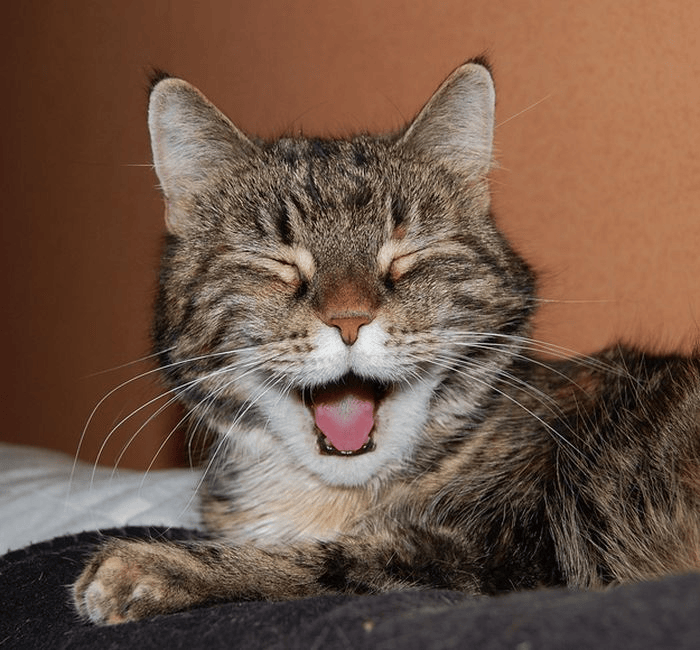
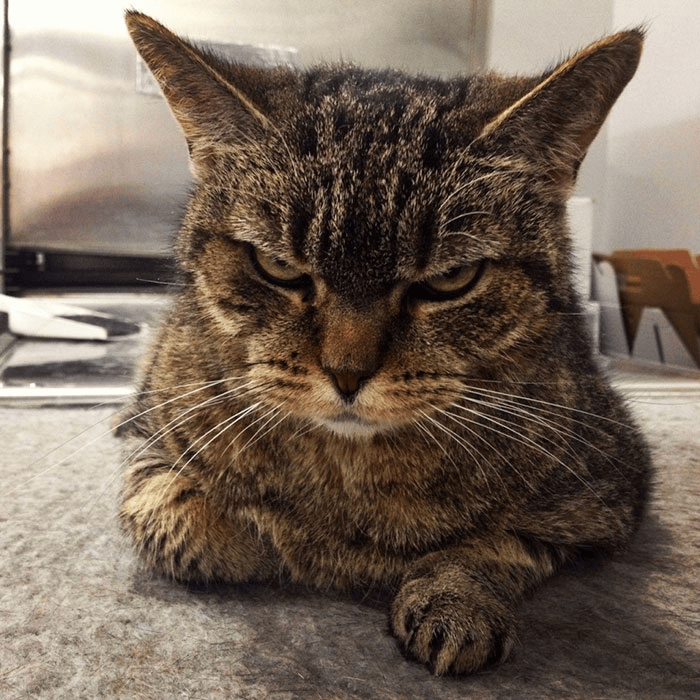
Can YOU pick more winners than our own Football Cat? If so, you become eligible to win prizes! Football Cat stumbled a bit picking the 1:00 games, but recovered & finished the week going 8-5. No human contestant did as well.
How to play? Simply pick who you think will win this weekend’s games. (Sunday and Monday only) Pick more winners than Football Cat, and you can win your choice of either a The15 Inside Joke Prize Pack, a $25 Ninety Nine Restaurant Gift Card, a $25 Amazon Gift Card, or a $25 Supermarket Gift Card! Your choice as to Market Basket, Big Y, Shaw’s, or Stop & Shop! (Or another, if you are outside the New England Area)
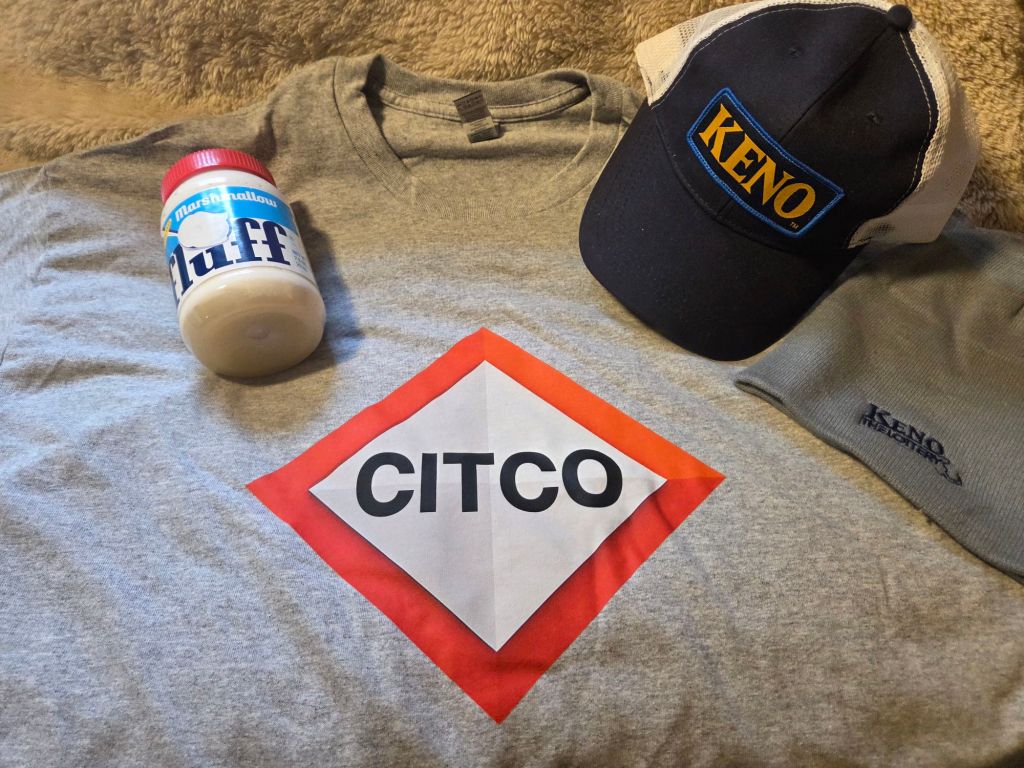
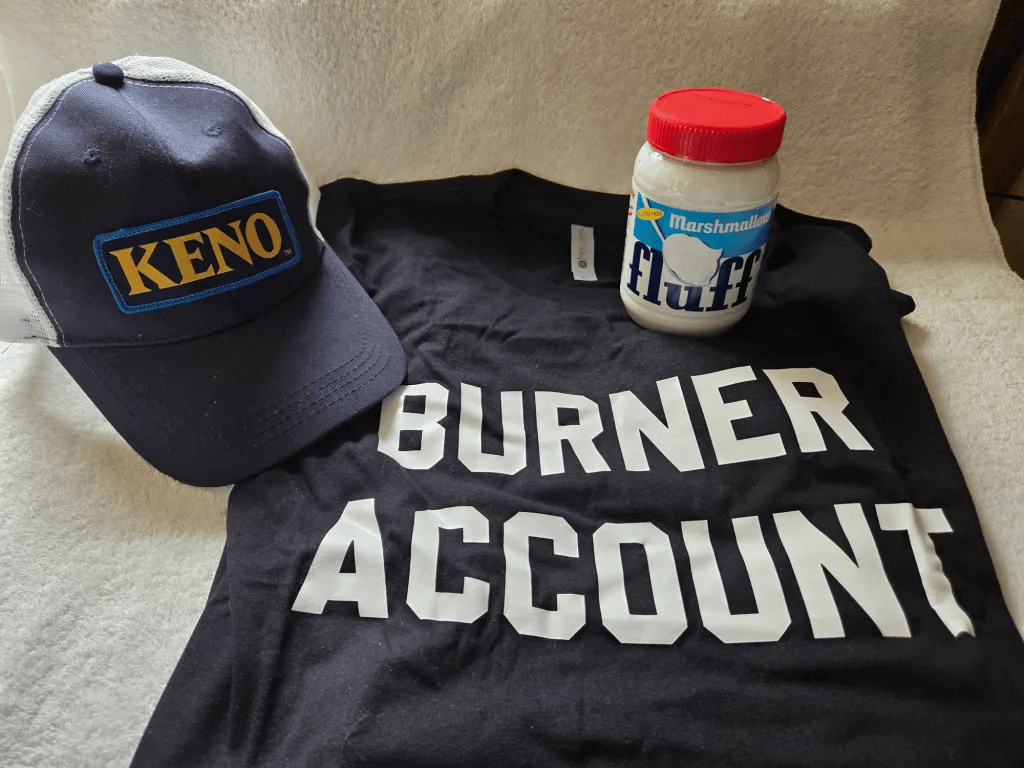
Fluff, CITCO shirt, & your choice of KENO hat!
(One winner per week. In the event of a tie, a winner may be chosen at random. Winners remain eligible to also win in future weeks.)
Here are this weekend’s NFL matchups:
Steelers at Saints
49ers at Falcons
Buccaneers at Panthers
Giants at Texans
Colts at Vikings
Dolphins at Jets
Browns at Titans
Bengals at Ravens
Broncos at Cardinals
Packers at Lions
Rams at Raiders
Chiefs at Seahawks
Cowboysat Eagles (Tiebreaker – total points scored)
Email your picks to bjbsjournalintern@gmail.com (prior to kickoff of the first listed game) or, if that isn’t how you roll, post them on the Twitter and our crisp group of interns will make sure your entry is added to this week’s pool of contestants!
And good luck to all our contestants!
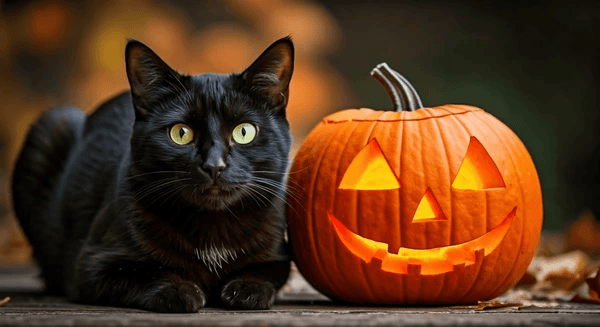
Maybe you can visit the pumpkin patch Sunday with NE already having played?
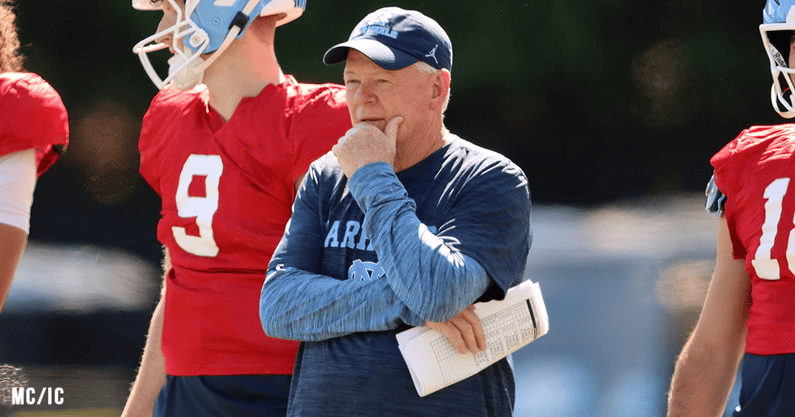
Tar Heel fans might need to self-medicate after these last two games. Sure, they’re huge wins that invoke dreams of making it to a bowl game, but these contests are not for the faint of heart. Football is a game of inches, its margin of error nearly invisible. One or two plays can wildly alter the perception of figures whom you’d initially think should be above being slaves to the variance that is collegiate football.
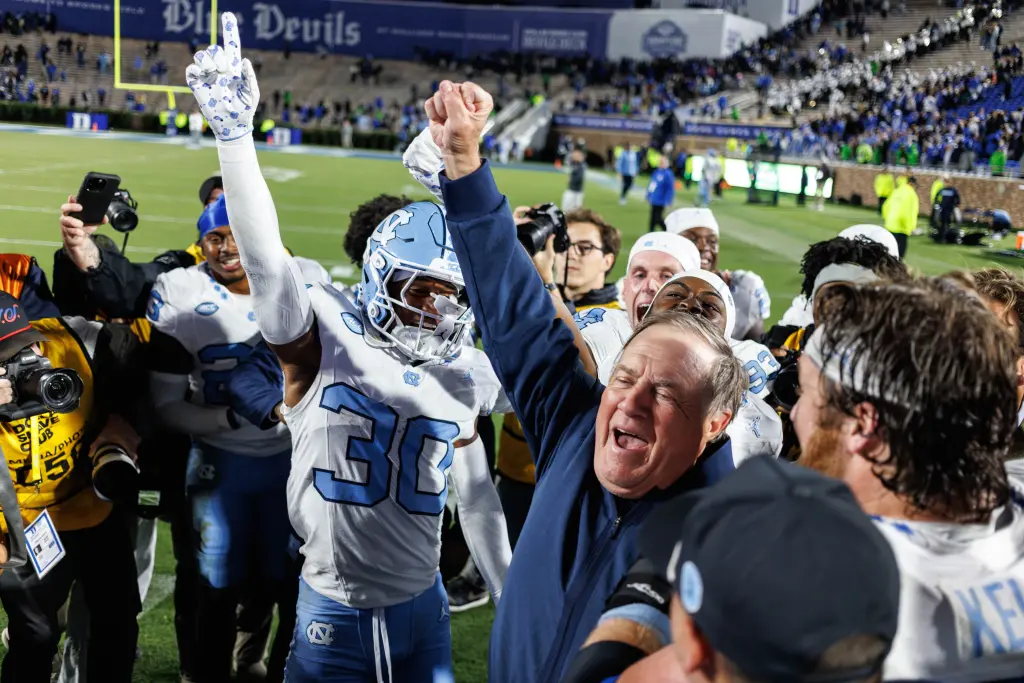
If a hard-fought loss would have been enough cause to demand heads—or a head, to be precise—to roll at UNC, I won’t return fire and say Duke should fire Manny Diaz. They shot themselves in the foot, dug themselves out of a hole, and nearly kept the Victory Bell in their possession. It just didn’t happen this time. A late-game drive by UNC powered them over their in-state rival for a 24-20 win that doubles as a modest upset.
Instead, I want to highlight the execution of the Tar Heels and celebrate their accomplishments thus far, six games into the season. Entering the 2026 campaign, the mood was dour. Traditional media outlets saw the gauntlet of a schedule the Tar Heels were saddled with and thought it charitable to throw them four wins. Fans of the university became enamored with apathy, wishing for UNC to foreclose on its football program and focus on basketball.
Watching Tar Heel fans succumb to defeatism eerily reminded me of Patriots fans who’d watch their team go 12-4 every year but seemed to look for permission from the outside world to enjoy what they were seeing.
To rectify what went wrong in 2025, Belichick reshuffled the deck on the coaching staff. Hiring Bobby Petrino caught many people off guard, including me. But in hindsight, it was a sign Belichick was still able to get a big fish into his pond and adapt his professional background to fit the college style.
Previous offensive coordinator Freddie Kitchens wished to run a rigid, pro-style offense. Being a pro coach, Belichick was probably open to keeping someone who spoke his language as he embarked on this new, unfamiliar terrain.
The 2025 Tar Heels offense was slow and predictable, finding itself often behind the chains. If your first-down play results in a loss of 5 yards, leaving you staring at a 2nd and 15, you can essentially get the punt team ready. Opposing defenses knew UNC could only excel in short-yardage situations, so they’d stack the box, force Gio Lopez to throw, and defang the one thing UNC could do well with ease.
In my view, we don’t appreciate the fact that while college is a step below the professional ranks, it does pose a unique series of challenges for coaches. Coaches who are used to working with veterans nearing the age of thirty are suddenly working with raw talent just entering their twenties. Kitchens’ pro-style offense amounted to a mere 288 yards per game, ranking an abysmal 128th in the nation.
Belichick’s mistake was not being flexible. He did not allow Lopez to audible at the line, wishing to control the game entirely from the sidelines. Lopez is a raw, younger player who needed to learn a complex, NFL-style scheme that he likely was not ready for. In Belichick’s eyes, Lopez didn’t possess the ability or the experience needed to diagnose complex defensive disguises. Lopez, currently the starting quarterback for No. 21 Wake Forest, is having a breakout year, throwing 17 touchdowns to just one interception. That fact alone shows not even Belichick is above needing time to adapt. It stems from the faulty assumption that if professional athletes can handle a 500-play volume with micro-managed pre-snap restrictions, college kids should find it even easier because the talent is a step down. But the difference between NFL and college players is that the former are full-time employees. The NCAA restricts activity to 20 hours a week. As laughable as it seems, the rules still prioritize college athletes as “student-athletes” who need to get to class.
The Tar Heels needed more flexibility and imagination. Petrino came in and instituted a college-proven system that features elements of the “veer and shoot” alongside heavy personnel packages. He brought a massive infrastructure, utilizing pre-snap looks and creativity to manufacture plays that simply did not exist under Kitchens. Petrino found ways to utilize having two or even three tight ends on the field at once to create heavy blocking advantages, successfully unlocking the multi-back committee of Demon June, Benjamin Hall, and Jaylen McGill.
While Lopez was straightjacketed by Belichick & Kitchens, Petrino has trusted Billy Edwards Jr. with the structural freedom to make adjustments at the line based on defensive alignment. The raw per-game stats suggest a clear upward trend. The paltry 183 passing yards in 2025 is now a workable 218. The infinitesimal 6.2 yards per attempt last season rose to 7.9.
What we’re seeing is a merging of Erhardt-Perkins with college concepts. A non-negotiable rule for Petrino is putting pass protection above everything else. He is not afraid to slow down the tempo and streamline the pass protection terminology.
When we talk about Belichick adapting to the college game, Petrino having to change his language to better fit this hybrid-style offense also deserves attention. NFL playbooks use rigid, wordy play-calls where every single specific route, protection adjustment, and alignment is explicitly spelled out in a long string of text. Petrino finding a way to merge traditional elements of Erhardt-Perkins with modern college shorthand—using single-word concept tags like “snag”, “tosser”, or “mesh” and having everyone on the field know their individual responsibility by just those terms—is nothing short of miraculous.
Under Petrino and newly promoted running backs coach Natrone Means, the Tar Heels’ ground game developed into a three-pronged attack able to carry the burden. Hall is the early-down specialist; June is the physical, short-yardage and red-zone back; and McGill plays the hyper-efficient change-of-pace role (exemplified by his clutch 24-yard game-winning run against Duke).
There is still a lot of work to be done, as the flaws are noticeable. The offense can burn bright for one quarter, then go AWOL in the ensuing quarters. But what’s established is a know-how, a willingness to get down and dirty, and poise in the face of overwhelming adversity.
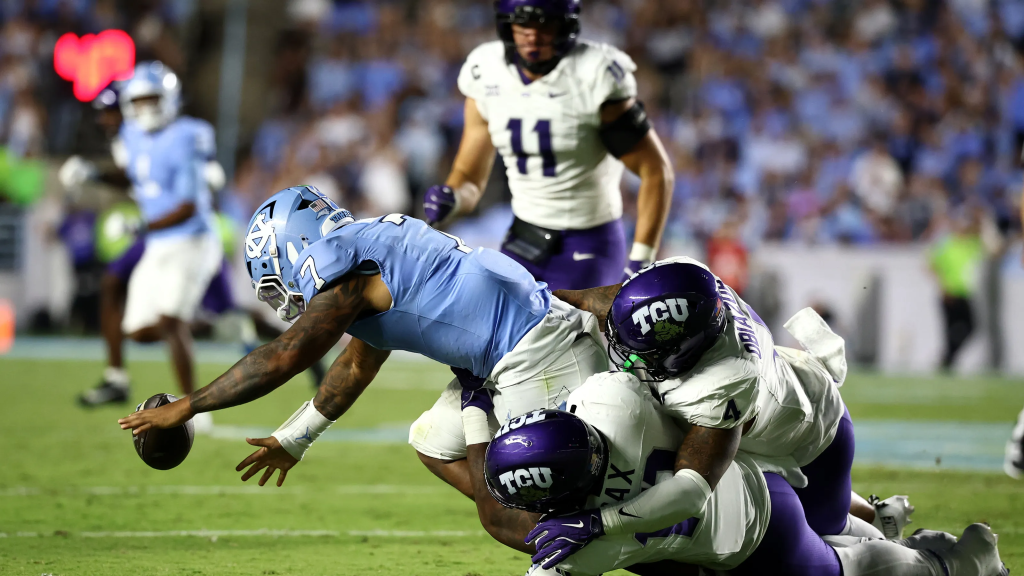
The recent contest against Duke exemplified the anomalous tendencies of the Tar Heels. They jumped out to a 17-0 lead, taking advantage of sloppy football from the opponent. Then, instead of shutting the door, they left it open for Duke to walk through. Jordan Shipp fumbled, which led to a Duke defensive score. McGill fumbled in their own end zone. And then a muffed punt gave Duke another short-yardage score.
Suddenly, they were facing a fourth-and-four at their own 28, down by three points. The game, and arguably the season’s momentum, was on Edwards’ shoulders. The offense had stagnated since leaping to that 17-0 lead. Edwards stood firm in the pocket and zipped a pass over the middle to tight end Jelani Thurman, who made a clutch 12-yard catch to move the chains and keep the game alive. A few plays later, UNC took the lead and, eventually, secured the win.
That’s confidence. That’s big-boy football. And that’s exactly what we hope to see from the Tar Heels in the second half of this season.
Vinny Jace is a special contributor to The15net.com.
From The Collaborative that brought you the Immaculate Squid and your daily SteveRdle, comes a new brainteaser… Is It, 1789 or 2026?
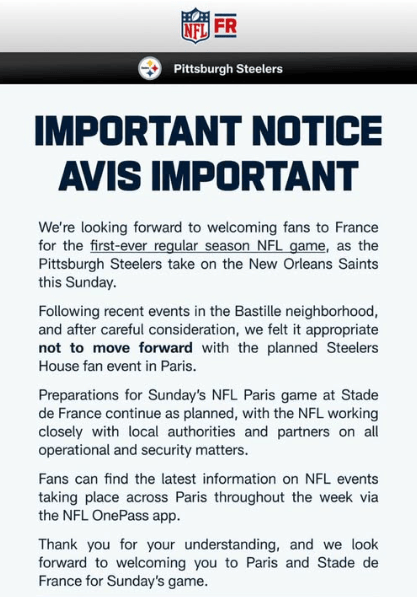
Today’s clue: “Following recent events in the Bastille neighborhood, and after careful consideration, we felt it appropriate not to move forward with the planned event in Paris”
Is It, 1789 or 2026?
If you guessed 1789, well sorry 24601, you will not be taking home any fabulous prizes to little Cosette.
The correct answer is 2026!
Since no one won today’s game, all the prizes will auctioned off with the proceeds to be split amongst the interns.
Thank you for being with us today, and remember to please help control the dog population. Have your dogs spayed, neutered or donated to scientific research. Goodbye, everybody!
Just kidding dog people, it’s all love
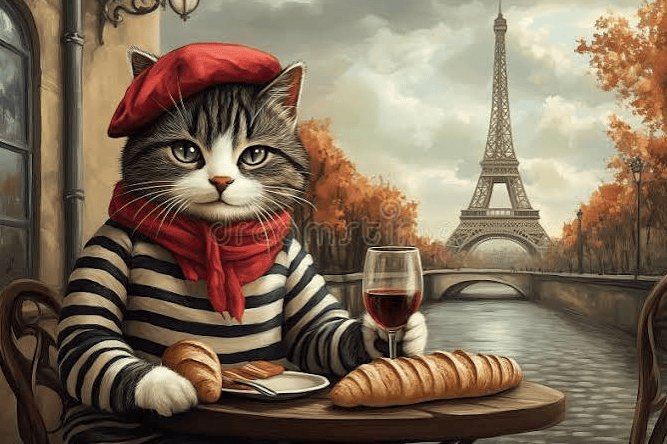
L’heure du Petit-Déjeuner du dimanche Steelers (-3) at Saints Les Saints de La Nouvelle-Orléans triomphent et s’offrent un défilé de la victoire sur les Champs-Élysées
Très Bien
Sunday Lunch Time 49ers (-3.5) at Falcons Purrdies rub Penix the wrong way
We miss you Jojo
Buccaneers at Panthers (-3.5) Black cats cook the Baker boys
Not so fabulous
Giants at Texans (-10) Everything is bigger in Texas, even the Giants margin of defeat
Colts at Vikings (-6.5) Norsemen discover that Carlie Irsay-Gordon’s notebook is full of cookie recipes.
Dolphins at Jets (-4.5) Jets soar over tanking Phins
Browns (-1.5) at Titans Brownies bite Tits
Ouch
Bengals at Ravens (-3) Stripey cats pounce on Poes
I got your “Nevermore” right here
Sunday Dinner Time Broncos (-4.5) at Cardinals Mile Highers club Cards
Packers at Lions (-3) Jungle Kings devour Meatmen
Just in time for Halloween
Rams (-4.5) at Raiders Horny sheep leave Las Vegas with a win
Sunday Dinner Time Chiefs at Seahawks (-2.5) All three generations of Kenneth Walkers will be celebrating
Monday Prowl Time Cowboys (-4.5) at Eagles Dallas does Dom
Debbie… OOTG
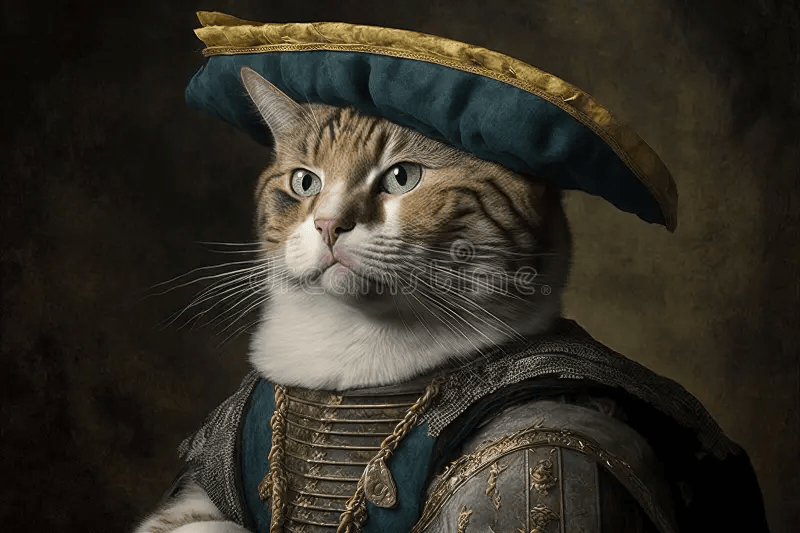
Football Cat lives in New Hampshire, enjoys watching football, and is a cat.
I hope the Celtics understand by losing a road game they disappointed a fat human Coinstar.
Are we sure “Dr. Jesse Morse” isn’t just Markwayne Mullin in a lab coat?
Have the judges who picked the finalists been to Logan Airport? “Voice of” should clearly be an unintelligible Dominican accent.
Bob Uecker just cracked a Miller somewhere.
I’m definitely impressed by the guy with “MBA” in his zoom display name.
Great job with the fast healing, but the grace of God needs to bestow ball security upon TreVeyon next.
For the many who seem interested: Progresso, $4.49; Campbell’s, $4.29.
You can’t stop Mikko Rantanen, you can only hope he doesn’t score four goals against you.
You’d be missing throws too if your wife was hobnobbing with hairy Armenians.
Imagine being a Callahan Stan. He looks like Freddy Krueger and sounds like RFK Jr. with AIDS.
Cakes are cooking for Manfred Mann, Elvin Bishop, Judith Sheindlin, Everett McGill, Lee Loughnane, Patti Davis, Charlotte Caffey, Eric Faulkner, George Bell, Ken Watanabe, John Flaherty, Mo Lewis, Andrew Scott, Mélanie Turgeon, Will Estes, Kim Kardashian, Zack Greinke, Glen Powell, and Doja Cat.
I missed the NBA. I did not miss watching Joel Embiid play basketball.
They’re still drinking root beers out in Provo.
Never realized how many French Studies majors have been on Twitter and IG this whole time, kid.
We’re looking down our noses at Attleboro 7s now?
Sacramento Kings guard Ben Simmons is believed to have sustained a torn Achilles tendon at practice Sunday. He can now go back to doing what he loves most; not playing basketball.
I see you, Robert Spillane.
Red Line: Delays of about 15 minutes due to a signal problem near Davis. Trains may stand by at stations.
Every time I hear Garrett Wilson I think of Garrett Morris.
Can’t imagine holding any high-end Justin Herbert cards. The Chargers are the worst team in the NFL.
I don’t like my visa picture.
Bledsoe, Mahomes and Maye married somebody who loved them before they were famous. Shitheads like Brady marry the supermodel and weep about their divorce in their Instagram stories.
Little powdered donuts are still very elite.
Hey gang of Eurohoopers, this week’s Phrase that Pays is, “I appreciate all the internet doctors trying to diagnose and help, but I’m in the best hands. So everyone can relax now. And I don’t have HIV or AIDS.”
Yaaaaaa Sully … Big Govahment is running the classic pump and dump gas scheme … yaaaaaaaa
Calling a Mexican person Taco on a social media app is definitely one way to convince people you’re not a racist.
I could see ESPN tossing the bag at Greg Olsen.
Jaylen Brown says he bought a gold harp, and now has someone come over twice a week to play it as the sun goes down while his chef cooks dinner.
Seriously, how the hell is there 450 different types of Drew Bledsoe football cards?
Kage Moush?
Zolak gets so bored when the game is decided. Squirrel brain.
Roger McQueen wearing No. 95 for Anaheim is terrific.
Mike Reiss has a snacking problem. There, I said it.
If we’re talking artists from the 2010’s I’m not sure why Flo Rida isn’t seen as above Bieber Rihanna etc.
Lift the weights Run the miles Boil the eggs
Obviously the Halloween theme from the original 1978 movie is ICONIC, but i think the synthesizer version from Halloween II (1981) is even spookier and creepier.
I must have been through ’bout a million girls I love ’em and I leave ’em alone I didn’t care how much they cried, no, sir Their tears left me cold as a stone
But then I fooled around and fell in love I fooled around and fell in love I fooled around and fell (pause) in love Fooled around and fell in love.
Bledsoe got more tail in the nineties than a bus station toilet seat.
I have no idea what L.L. stands for.
‘Karon Prunty’ sounds like a woman who would send back a steak at an Outback.
Jay-Z pulled a Dick Cheney?
The Knicks actually raised the mid-season tournament banner as well? Leave it to the Knicks to ruin everything.
Coach Drip will be failing upwards to Chargers head coach very soon.
I know he’s won a championship and is one of the best players in the world, but I think this 3pm game on a Tuesday in October is Tatum’s legacy.
Coach Bill Belichick. Owning.
I mean, having listeners is nice, but it’s not the same as winning a Marconi Award.
Doubs needed a guardian cap for his torso and legs.
Honk if you remember Rocky Point Park.
Can Archie Manning send some of his goon squad to clean out the Parisian rioters before the Steelers/Saints game dimanche?
I need somebody way smarter than me to explain why the “exposure” of Dave Portnoy calling UConn-UMass the “cum bowl” is worth it.
Poor Jeff Howe. The guy has Vague Symptoms Syndrome.
I shouldn’t have put off taking the drive to see the Mysterious Hanging Boulder to 2027.
The Philadelphia Eagles try to kill any more of their players?
Best bet for the weekend: An early must-win game for both the Celtics and Knicks at the TD Garden.
“Is that Mikey Adams or Artie Lange?” – “Jon Eater-parel.” – “Gerry looks like the world’s longest living progeria patient.” – “Dennis looks like different parts of ancient corpses sewn together with new clothes from his closet.”
Material from interviews, wire services, Twitter, Meta, other writers, league and team sources, Joe Giza, Matt Vautour, Old BSMW Friend Lebron, and the members of #the15 were used in this column.Relax.
The colors say Fall, but the open toes say Indian Summer.
It’s been a long summer for Celtics fans. More importantly, it’s been a long summer for me watching Philly fans take a more obnoxious victory lap than Knicks fans. Heading into this season, the local and national media perception surrounding the Celtics is that they’re entering a phase similar to when the Red Sox traded Mookie Betts—it’s all about the bottom line.
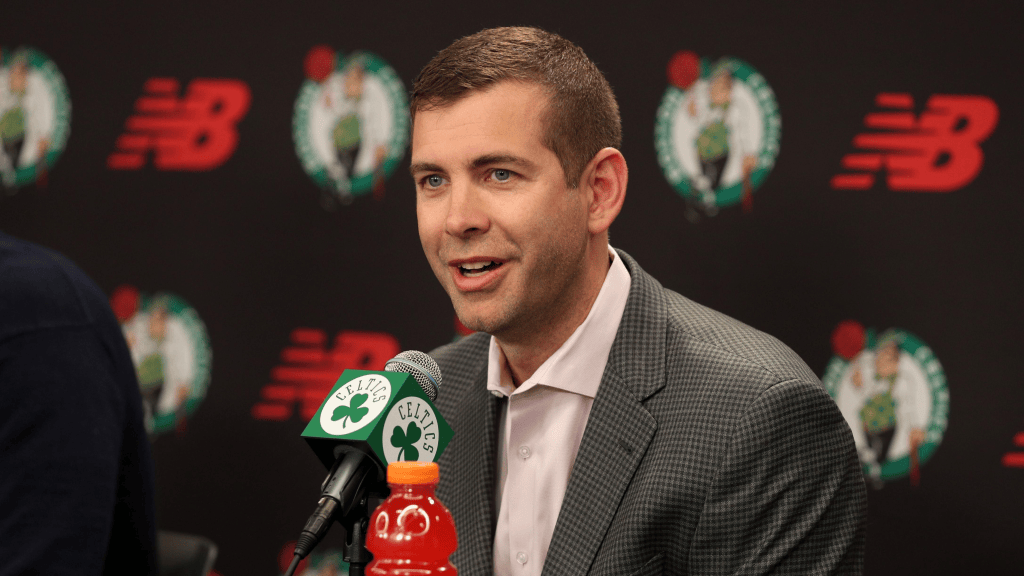
I have written about this team a lot and tried to present a fair and honest assessment of why the offseason went the way it did. I staked the claim that owner Bill Chisholm is not John Henry, and that the Jaylen Brown trade was made solely for basketball purposes. While we may quibble with the return—and trust me, my heart has still not accepted this new reality—for the time being, I am confident we’ve seen the beginning of why Brad Stevens did what he did in a manner that is no longer just hypothetical.
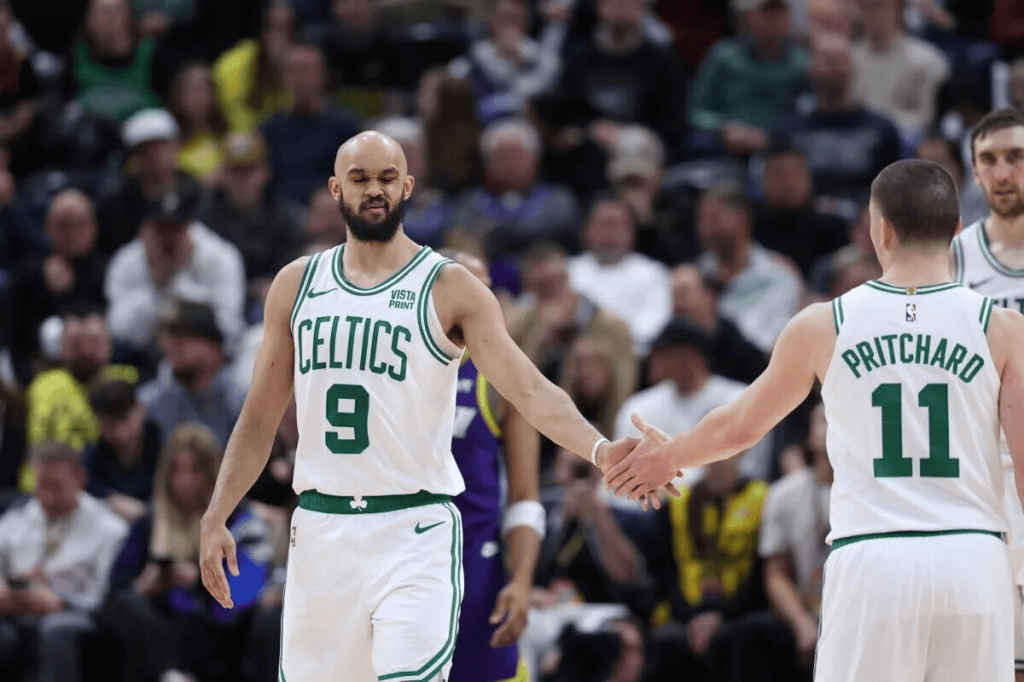
The Celtics took the money that likely would have gone to Brown’s extension and proceeded to re-sign their depth pieces. They locked down starting center Neemias Queta (4 years, $56 million), Jordan Walsh (3 years, $15 million), Ron Harper Jr. (4 years, $13 million), and, just earlier this week, Payton Pritchard (2 years, $44 million). The Celtics have firmly bet on their depth to carry them through a front-loaded Eastern Conference, while crossing their fingers that the squads that hastily assembled super-teams implode by season’s end.
It’s a calculated risk. I’m sure this was the loneliest summer of Stevens’ career. He went from the Whiz Kid who brought home Banner 18 to an odious figure who watched the Miami Heat obtain Giannis and traded a beloved star to their most hated rival in Philly. Even rank-and-file Celtics fans have not only questioned him, but also wondered if this is the beginning of the end of the Stevens era. Time will tell.
Brad did not leave to coach a college team. At all.
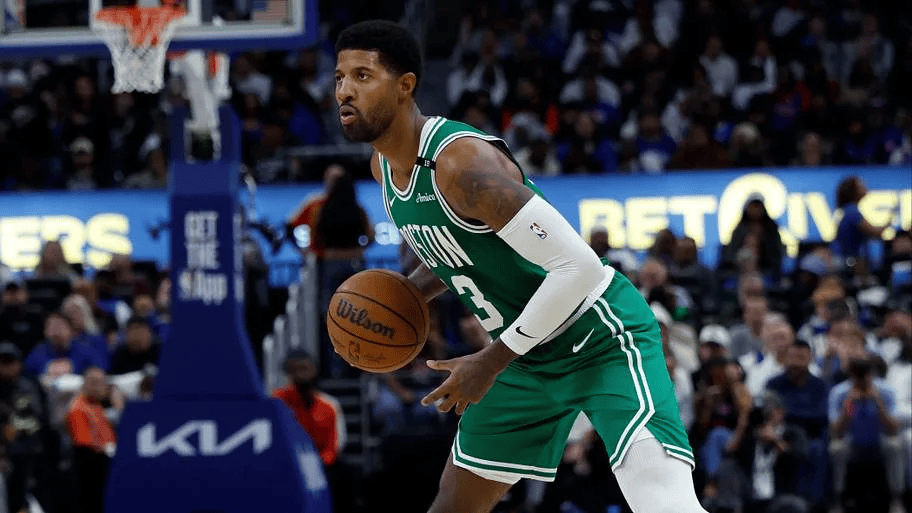
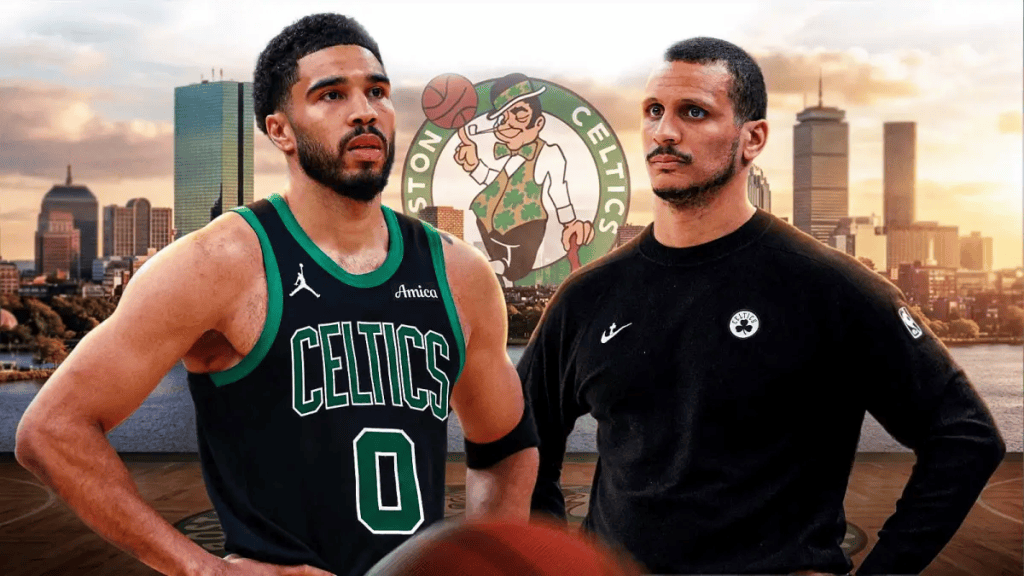
For what it is worth, the Celtics never seemed anything but content with their choices. While fans brainstormed trades to dump Paul George’s salary, the Celtics brass made it known they’re happy to have the 36-year-old forward next to Jayson Tatum in the frontcourt. The returns in the two preseason games we’ve seen them play have been very good! George has a velvet touch with the basketball; his ability to veer into opposing teams’ passing lanes and turn a defensive possession into transition offense is tremendous.
While Tatum was always the better of the Jays, the sense that they were “dueling banjos” stems from the odd fit the two always had together. Brown was a high-usage, not-so-efficient ball-stopper who occasionally flashed brilliance when trusted to handle the ball. His peak in 2024 was a sight to behold, but in context, it had a lot to do with the spectacular players who were also on that team and able to cover up his weaknesses.
George has said and done all the right things so far. He’s come across as incredibly humble, sincere, and genuinely happy to be in a place where he isn’t expected to be the focal point. He is a key cog in a machine designed to churn out regular-season wins. The Celtics aren’t under any delusions that prime PG-13 is coming back; they merely want him to play a brand of basketball that better fits the Mazzulla Ball philosophy.
One strength the Celtics have this year as opposed to last is a surplus of ball-handling. Tatum obviously was out until March, and Brown was never much of a dribbler. With Tatum back in the fold and George next to him, the Celtics have excellent distributors to complement their backcourt.
There is the issue of George’s health, and that is something you truly cannot ignore. The Celtics’ staff has managed players with iffy histories better than most and still couldn’t get a player like Kristaps Porzingis on the floor for their most important games. Now, factoring in Tatum coming off an Achilles injury and a 36-year-old George, it isn’t a stretch to imagine them missing time.
This is where betting on depth matters. It’s why you re-sign players like Walsh and Harper—so they can handle the workload in the dog days of the season, allowing you to turn to Pritchard and tell him to go get you thirty points.
The ultimate irony heading into the season is that despite all the doom and gloom, I do see this Celtics team as extremely talented with very few holes besides the health risks. The center rotation went from a weakness to a strength. Queta is back, looking to put a bad postseason behind him. Mitchell Robinson is ready to “possession maxx” on the boards, as the kids would say. And I feel much better about Luka Garza being a third-string big man than a backup. They form an excellent trio of screeners, bruisers, and smart players ready for the 82-game grind.
Pritchard and White are back in the backcourt. Optimism is high that Pritchard can take another leap, and there is legitimate hope he can achieve All-Star status. He’s gotten better every year since his initial extension in the summer of 2023, and I think the Celtics are confident there is even more to his game to be unlocked. White is coming off a campaign where he did virtually everything perfectly, except shoot the ball.
Somebody call 9-1-1, White and Whitey shooting fire on the parquet floor, whoa.
Now, that can be explained away. The team without Tatum had a dearth of offense, making it easy for defenses to focus entirely on White. He had to take care of the ball-handling, perimeter defense, and even rim-protecting duties. Perhaps that heavy workload factored into his field-goal percentage sinking below the Atlantic Ocean. I choose to believe he’ll rebound under these new and improved conditions.
Last season, the Celtics cobbled together a top-five defensive unit on a roster otherwise devoid of elite depth. Now, they have added an elite rim-protector and a veteran defensive wing who excels at off-ball defense, all while subbing out their weakest link. The bullish part of me looks at that and sees a higher upside for this team than most expect.
What tempers my expectations is, admittedly, the outside perception possibly being onto something. I lack the courage of my convictions! But in fairness, I also see the Eastern Conference as a bunch of robust, middle-class teams scrapping and clawing to win between 48 and 53 games. There should be room for nuance. For example, I do have the New York Knicks making it back to the Finals. I just don’t see how they’ll win more than 53 games—the same mark as the year prior—in a conference where teams aren’t actively tanking.
Teams’ strengths will be diluted by what appears to be a lackluster win-loss record. A sleeping giant in the East awaits the playoffs. My reading on the Celtics is they’ll win a modest 50 games—but I do not see them as that sleeping giant.
Vinny Jace is a special contributor to The15net.com.
Can YOU pick more winners than our own Football Cat? If so, you become eligible to win prizes! Congratulations once again to Warren Dull’s Aunt! Going 10-3-1 last week, she did better than FC’s none too shabby 8-5-1.
How to play? Simply pick who you think will win this weekend’s games. (Sunday and Monday only) Pick more winners than Football Cat, and you can win your choice of either a The15 Inside Joke Prize Pack, a $25 Ninety Nine Restaurant Gift Card, a $25 Amazon Gift Card, or a $25 Supermarket Gift Card! Your choice as to Market Basket, Big Y, Shaw’s, or Stop & Shop! (Or another, if you are outside the New England Area)
Fluff, CITCO shirt, & your choice of KENO hat!
(One winner per week. In the event of a tie, a winner may be chosen at random. Winners remain eligible to also win in future weeks.)
Here are this weekend’s NFL matchups:
Texans at Jaguars
Bears at Falcons
Ravens at Browns
Titans at Colts
Jets at Patriots
Saints at Giants
Panthers at Eagles
Steelers at Buccaneers
Cardinals at Rams
Chargers at Chiefs
Bills at Raiders
Cowboys at Packers
Commanders at 49ers (Tiebreaker – total points scored)
Email your picks to bjbsjournalintern@gmail.com (prior to kickoff of the first listed game) or, if that isn’t how you roll, post them on the Twitter and our nice group of interns will make sure your entry is added to this week’s pool of contestants!
And good luck to all our contestants!
You better be winning fair and square, Auntie! Get your three-season room in order!
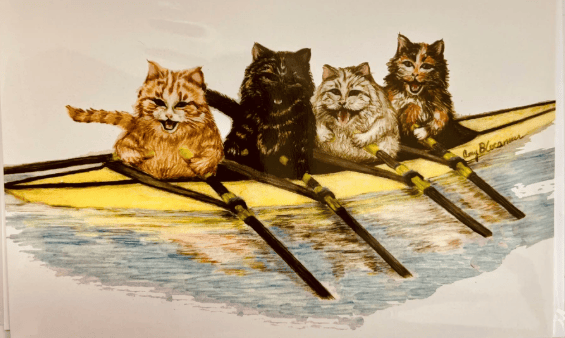
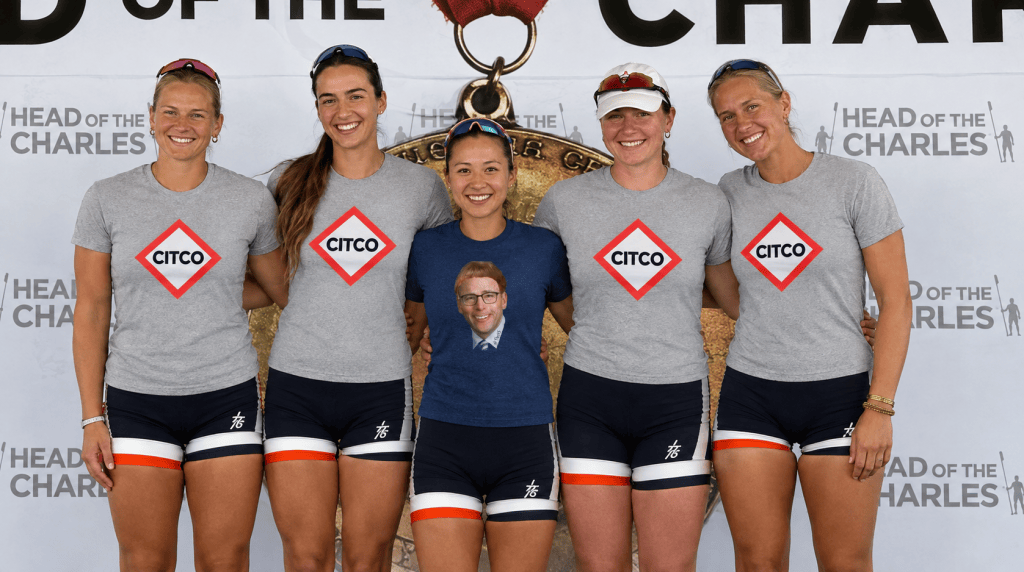
This weekend coxswains and cocksmen from across the globe will be flowing into the Hub of the Universe to take part in the world’s largest Regatta… The Head of the Charles!
Prep school lore has it that the phrase “Lose your shirt” originated in the crew tradition of shirt-racing, when members of the losing team were obliged to strip the racing shirts off their backs and hand them to their opponents on the water. Today crews pass shirts on the dock, tempering the humiliation of their defeat. This delay of the exchange has allowed savvy rowers to pivot to trading less expensive shirts for cost saving purposes. Any penny pinching cox out there are encouraged to visit the official The15net store for a wide variety of affordable and fashionable t-shirts.
It’s what winners are wearing
Sunday Breakfast Time Texans at Jaguars (-3) Spotted cats topple Texan tourists
Oh behave!
Sunday Lunch Time Bears (-3) at Falcons Bears slap Penix-less birds of prey
Ravens (-4.5) at Browns Scary black birds bomb Browns
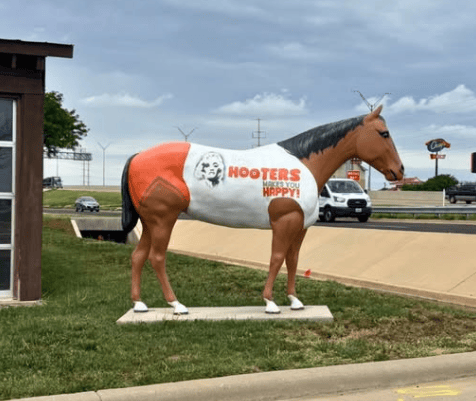
Titans at Colts (-7) Horses honk hooters
Hooters horse
Jets at Patriots (-7.5) Patriots intercept Jets
The first 100 people in line receive a free bag of sawdust
Saints at Giants (-1.5) Popes pop Pituitaries
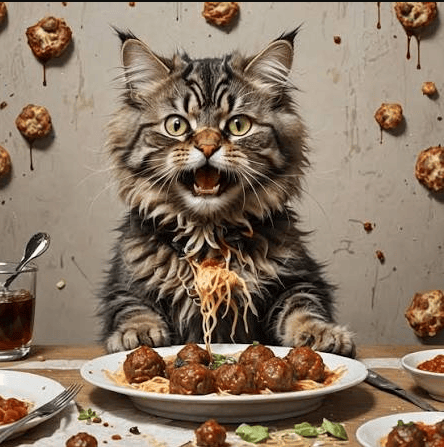
Panthers at Eagles (-1.5) Black cats sauce Big Dom’s meatballs
Now that’s a spicy meat-a-ball!
Steelers (-3) at Buccaneers Steelers bake Bucs
Sunday Dinner Time Cardinals at Rams (-13.5) Cardinals get crushed in the City of Angels
Chargers at Chiefs (-8.5) Chefs cook Chargers
And the turkey is in the litter box!
Bills (-6) at Raiders The Mafia controls Vegas
Think they had table games?
Sunday Dinner Time Cowboys at Packers (-1.5) Pokes prevail in the Ice Bowl rematch
Ice Bowl? Sounds cool
Monday Prowl Time Commanders at 49ers (-7.5) Purrrrdy swamps DC
Football Cat lives in New Hampshire, enjoys watching football, and is a cat.
The Patriots red 1980s throwback uniforms are commonly called their “Pat Patriot” unis but the modern Flying Elvis mascot is still called Pat Patriot so technically their current unis are Pat Patriot too. Quite the conundrum.
Baseball truly is America’s game because it’s the only sport where sacrifices are built into the fabric of the game.
Well into October and Drake Maye still has some pretty good t-shirt tan lines going on his arms.
Are we supposed to say that some women at gyms don’t dress like whores?
Bad chirp.
I understand that several members of the 2001 Patriots left Gillette Stadium in tears thinking that Coach Belichick didn’t love them anymore because he didn’t send a video message.
Landman is the perfect name for a player who’s good at putting the ball on the ground.
I love how Ordway pats himself on the back as the reason WEEI was so popular when here’s the thing: all it was, was that there was no competition.
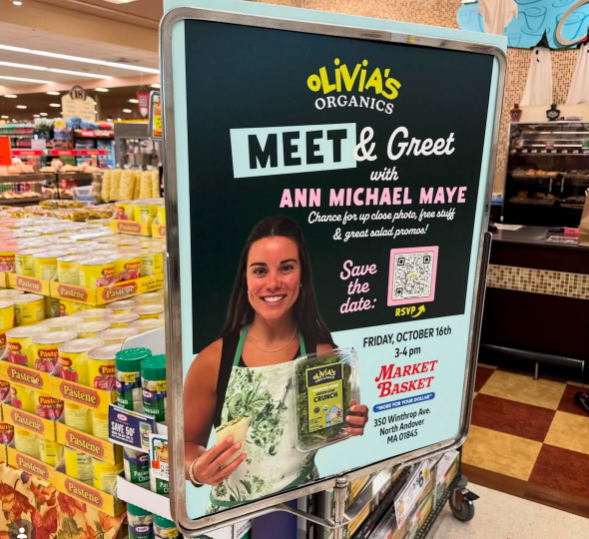
Would it kill her to go by Ann Maye?
I wish Bernie Brewer still slid into a mug of beer.
Cakes are cooking for Ralph Lauren, Billy Harrison, Justin Hayward, Dave Schultz, Katy Manning, Sheila Young Ochowicz, Marcia Barrett, Greg Evigan, Beth Daniel, Thomas Dolby, Isaac Mizrahi, Keith Byars, Lori Petty, Joe Girardi, Karyn White, Steve Coogan, Sylvain Lefebvre, Jim Jackson, Erika de Lone, Javon Walker, Usher, Jay Pharoah, and Jared Goff.
And there’s leftover cake in the break room from Bianca de la Garza’s birthday yesterday.
Brand new Garden floor this season. But tradition is important to the Celtics, so they’ve once again kept the bolts — even though they aren’t functional. (The boards fit together in sort of a tongue-and-groove manner.) The floor coating fills in the bolt gap, so it’s all smooth.
I think Greenwell tried to associate balding with wearing baseball hats.
Paul George is like a cat. He will jump in your lap every once in a while. He’s super lovable. Other times, you’re like, ‘Where’s Paul George?’ ‘Oh, he’s in the garage.’
Kelly Clarkson has put us all in danger.
Orange Line: Delays of about 20 minutes while personnel address a signal problem at Forest Hills. Trains may stand by at stations.
Ziegler, you’ve done it again!
Boystown is a throwback kind of place. I haven’t seen gaggles of gays in basic bars for a while.
Somebody cue up “Oklahoma! Where the wind comes right behind the rain.”
Source: UTEP over UTSA in a Secret Scrimmage.
RJ Mitte. Even Kendra mentioning the suicide hotline couldn’t stop him. Sad. RIP.
Honestly this Heat court, in the context of the rainbow going on everywhere else, is more Heat Culture than the literal “Heat Culture” court.
I was today years old when I learned what a scrimmage touchdown meant.
Pritch is back! Under contract for a two year extension!
George Lucas is upset that he didn’t think of Kindle Vildor as a Star Wars character name.
I’m not watching these Derrick White Pizza Shark commercials all season.
How many ‘K’s are there in Korn Ferry again?
Finally getting around to Ted Lasso’s newest season, and I can’t disagree more with the haters. It’s fine. It’s fun. It’s not meant to be an epic work of art. I will simply enjoy it.
The only person who cared more about a breakfast than Walt Jr. is Dan Shaughnessy.
Abby Chin did what Scal could never do… Disguise them titties in a flattering way.
Zolak didn’t have to make a Mazz apology? Weak.
Imagine being in eighth grade and your dad posts your school picture on Twitter for millions to see. And putting your kid’s picture on Twitter should be an automatic CPS visit.
I’m addicted to Bruins hockey and never sleeping more than 4 hours a night.
Love hurts, love scars
Love wounds and mars
Any heart
Not tough or strong enough
To take a lot of pain, take a lot of pain
Love is like a cloud
Holds a lot of rain
Love hurts
Ooh, ooh love hurts.
Bill Simmons thinks robbing graves in the cemetery is called “cradle robbing”?
Honk if you remember Quiznos.
As the million dollar man ted dibasie said they don’t ask how they won..it’s who won.
Salmon Capistrano!
Good to see Dr. Pappas and the crack Red Sox medical staff didn’t see Garrett Whitlock had a broken leg.
Never listen to football takes from a guy who wears more mascara than Tyra Banks.
Luckily for the GSW fans Al Horford will be able to fill in a few times a month for the ailing Kristaps Porzingis.
Natural athletes heal faster than gritty ones.
Tucker Carlson thinks Glenn Ordway has a small pool of podcast guests.
Best bet for the weekend. Contented coachmen in the aftermath of The Head of the Charles Regatta.
Disgusting. The Patriots’ own website is counting how many beers Zolak is drinking during his segment with Vrabel.
Material from interviews, wire services, Twitter, Meta, other writers, league and team sources, Joe Giza, Matt Vautour, Old BSMW Friend Lebron, and the members of #the15 were used in this column.Heartbreaker, soul shaker. I’ve been told about you.
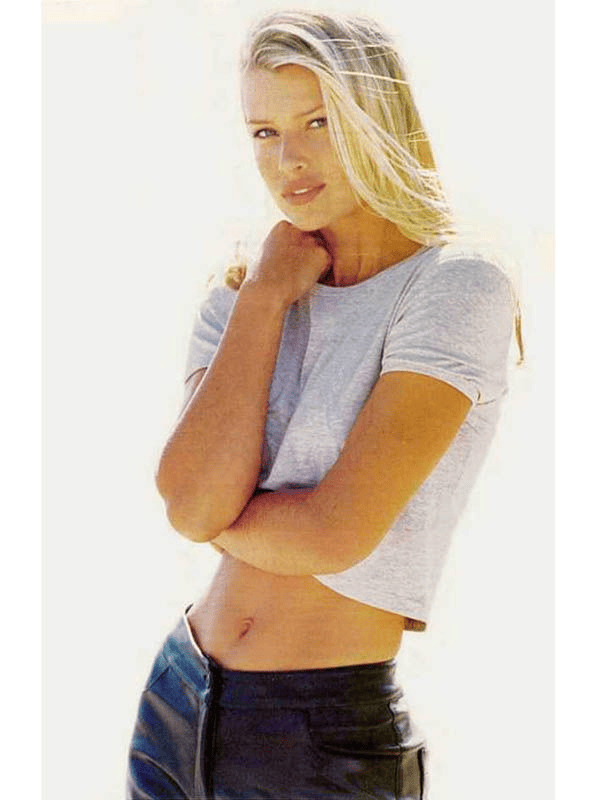
And happy birthday to Czech supermodel Daniela Pestova.
Can YOU pick more winners than our own Football Cat? If so, you become eligible to win prizes! Congratulations again to Warren Dull’s Aunt! Going 12-3, she was one better that FC’s very respectable 11-4.
How to play? Simply pick who you think will win this weekend’s games. (Sunday and Monday only) Pick more winners than Football Cat, and you can win your choice of either a The15 Inside Joke Prize Pack, a $25 Ninety Nine Restaurant Gift Card, or a $25 Supermarket Gift Card! Your choice as to Market Basket, Big Y, Shaw’s, or Stop & Shop! (Or another, if you are outside the New England Area)
(One winner per week. In the event of a tie, a winner may be chosen at random. Winners remain eligible to also win in future weeks.)
Here are this weekend’s NFL matchups:
Eagles at Jaguars
Bengals at Dolphins
Vikings at Saints
Raiders at Patriots
Browns at Jets
Texans at Titans
Colts at Steelers
Giants at Commanders
Broncos at Chargers
Lions at Cardinals
Bears at Packers
49ers at Seahawks
Ravens at Falcons
Bills at Rams (Tiebreaker – total points scored)
Email your picks to bjbsjournalintern@gmail.com (prior to kickoff of the first listed game) or, if that isn’t how you roll, post them on the Twitter and our fine group of interns will make sure your entry is added to this week’s pool of contestants!
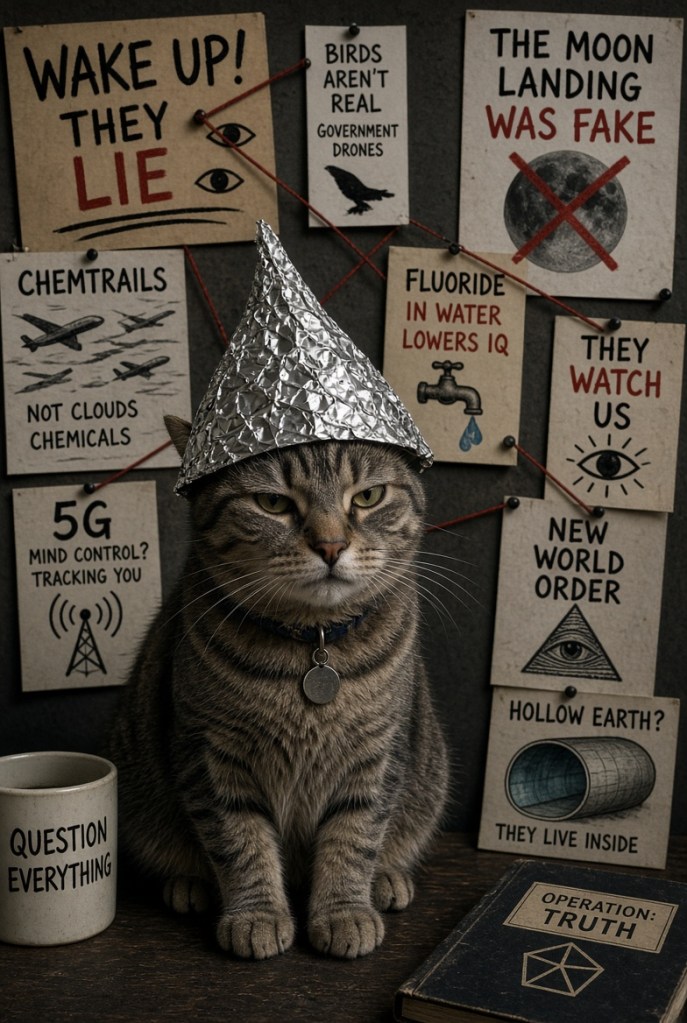
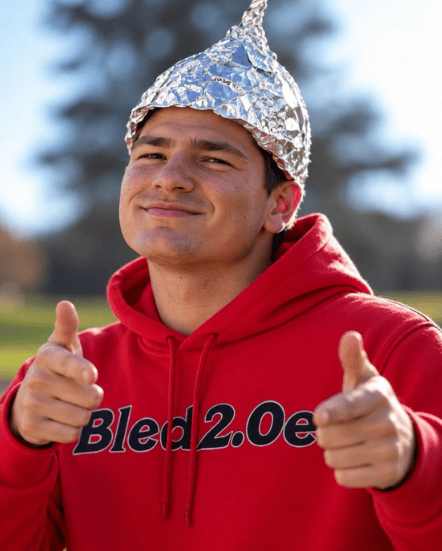
Drake Maye’s Top 5 Conspiracy Theories: 5. Fumbles aren’t real 4. Chemtrails are creating atmospheric disturbances which are increasing the number of interceptions 3. Prolonged exposure to the electromagnetic field emanating from Robert Kraft’s surveillance bunker is weakening the soft tissue of the players 2. The real Bill Belichick is being held captive in the lighthouse while his clone is out damaging his legacy 1. Fluoridation caused Mike Vrabel to have a six year affair with Dianna Russini
I do not avoid women, Drake, but I do deny them my essence
Sunday Breakfast Time Eagles at Jaguars (-4.5) Spotted cats enjoy a win over a spot of tea
Yeah baby!
Sunday Lunch Time Bengals (-7.5) at Dolphins Stripey cats feast on fish
Look a catfish
Vikings (-1.5) at Saints Who dat say dey gonna beat dem Saints? Dey be the Vikings.
Raiders at Patriots (-3.5) Birds may not be real, but Drake Maye IS!
Safety first
Browns at Jets (-2.5) Brown out shuts down New York
Texans (-6.5) at Titans Texans top Tits
Texan tit top
Colts at Steelers (-2.5) Yinzy over Indy
Giants at Commanders (-3) Greek Giant skins Washington
I thought you said “green giant”
Sunday Dinner Time Broncos (-3.5) at Chargers Bolts shock Broncos
Lions (-5.5) at Cardinals Jungle Kings devour pretty red birds
Roar!
Bears (-2.5) at Packers Meatmen grind out a win
I am not a bear
49ers at Seahawks (-3) Fake Seabirds soar as Purrdy slumps in the perpetual rain of Seattle
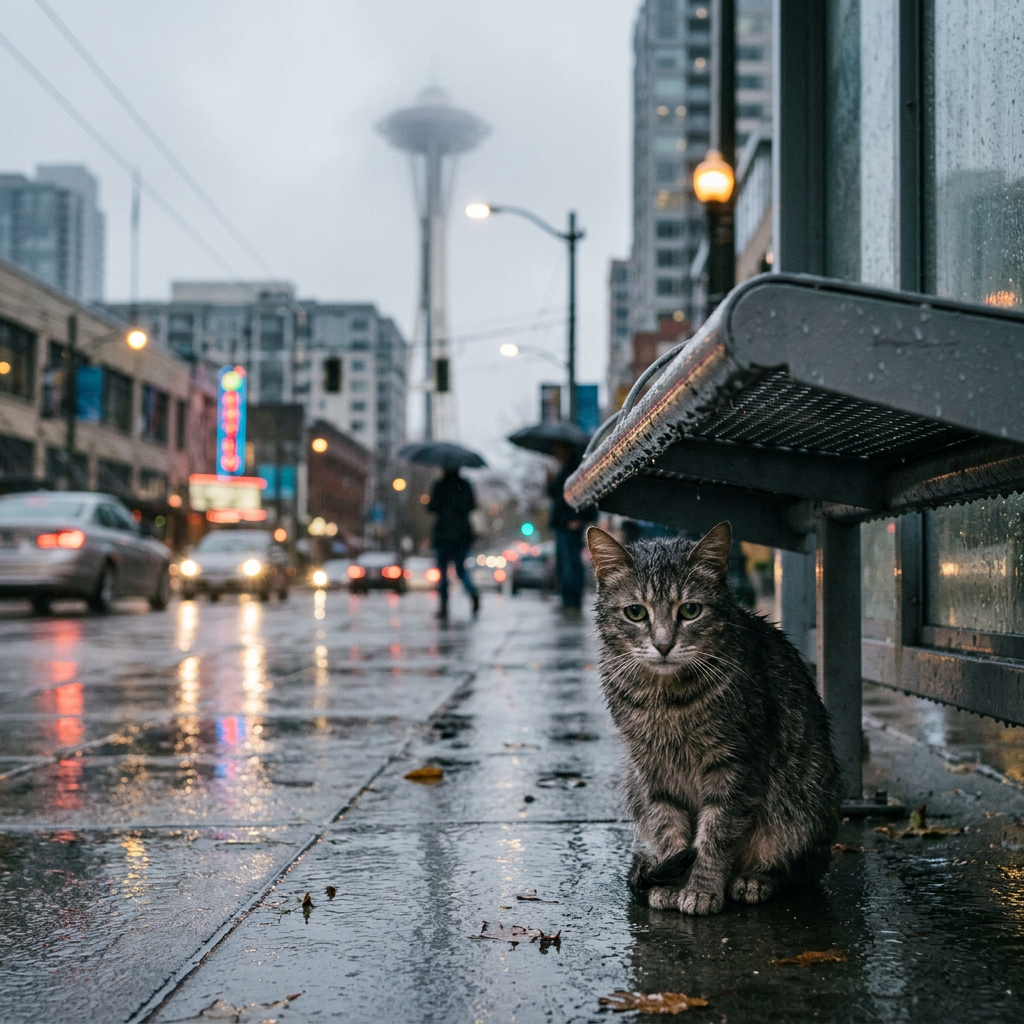
Yet another miserable rainy day in Seattle
Sunday Prowl Time Ravens (-3.5) at Falcons Penix slaps the Scary Black Birds
Monday Prowl Time Bills at Rams (-2.5) Horny Sheep clip Hairy Cows
Football Cat lives in New Hampshire, enjoys watching football, and is a cat.